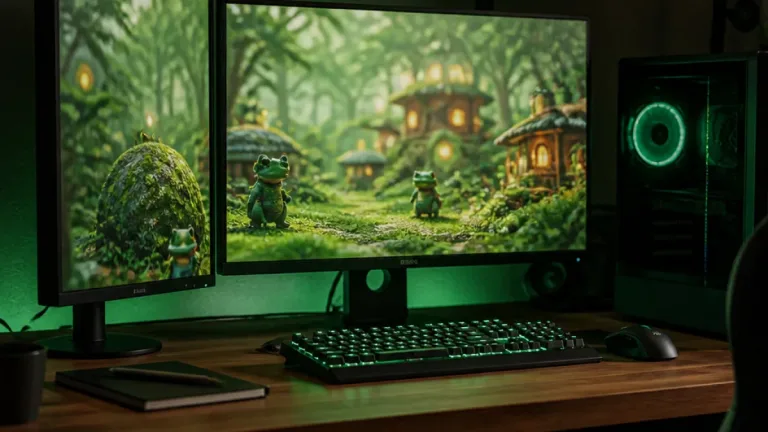
Probably Stolen, an indie game published by tinyBuild, reached more than 112,000 concurrent players on Steam this week after emerging from a demo that attracted only 28 players at its peak.
The game launched Wednesday, Oct. 28, and passed 100,000 concurrent players within its first 24 hours, according to SteamDB. Its peak later rose above 112,000 players on Thursday, placing it among Steam's most-played games for that day. The game's Steam page lists 350,000 copies sold during its first 24 hours.
A second version of the project
Alex Nichiporchik, CEO of tinyBuild, said Probably Stolen began as a project released under another name. The earlier version was called Deepspace Emporium, and its demo page remains on Steam for comparison with the current game.
“Probably Stolen was initially a game under a different name with a released demo. That demo peaked at 28 concurrent players,” Alex Nichiporchik said.
Nichiporchik said tinyBuild continued working with the developer after the demo's release, changing the game's visual presentation and concentrating development on the elements the team believed worked best. The result was released as Probably Stolen rather than as another update to the original demo project.
“We loved the concept and gameplay, and worked with the dev to reinvent the visuals and focus on what works design-wise. This is the result,” Alex Nichiporchik said.
What the early numbers show
- 101,000 players were recorded concurrently on Steam about 24 hours after launch, according to SteamDB.
- The game later reached a peak of more than 112,000 concurrent players.
- Probably Stolen's Steam page lists 350,000 copies sold in its first 24 hours.
The launch places Probably Stolen well beyond the audience reached by its earlier demo, which topped out at 28 concurrent players. Its early performance also comes alongside positive user reviews shown on the game's Steam page, as the reworked project moves from a little-played demo into a full commercial release.
tinyBuild is publishing Probably Stolen, while Nichiporchik's comments describe the publisher's role as extending beyond distribution. The company worked with the developer to reshape the presentation and design before the game's release, creating the version that produced this week's Steam debut.